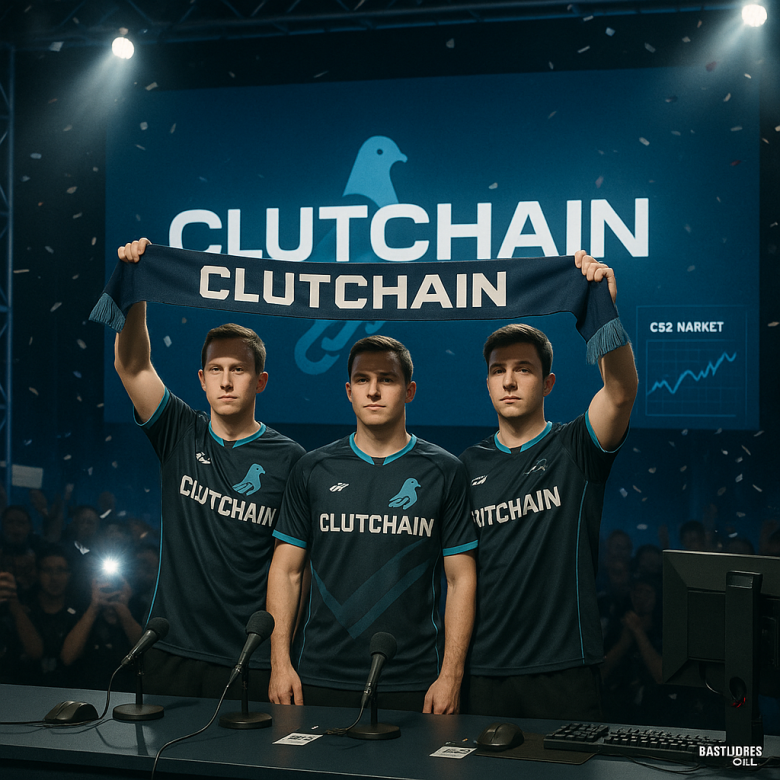
Pigeons passou a competir sob a bandeira da Clutchain
When a competitive esports team starts competing under a different organizational banner, it is a development that touches multiple parts of the scene. This article explains, in general terms, what such a change typically involves and how it can affect the competitive ecosystem and the CS2 marketplace. The aim is to offer evergreen context and practical perspectives without asserting specific or unverifiable facts.
Introduction
A team competing under a new flag is more than a cosmetic change of name or logo. It can reflect shifts in management, sponsorship, strategic focus, or legal structure. For players, staff, fans, and market participants, the move can alter perception, partnerships, and long term planning. Understanding the typical elements involved helps stakeholders interpret signals and adapt accordingly.
What a banner change commonly means
Adopting a new banner often means that a team has formalized a relationship with a different organization. That relationship can include changes to branding, administrative oversight, and contractual affiliations. From an operational viewpoint, the team may retain its core roster and staff while administrative tasks move to the new organization.
In many cases, the new banner provides resources such as management support, marketing, and sponsor connections. It can also reshape the public identity of the team by introducing new colors, logos, and messaging. For fans, this may require a period of adjustment as the team repositions itself within the broader community.
Legal and regulatory considerations are part of the transition as well. Tournament organizers, league administrators, and platform rules may require formal notification or paperwork. These processes are procedural, but they matter for eligibility, branding on broadcasts, and how results are recorded in official contexts.
Implications for the CS2 market and ecosystem
Market actors in CS2, including traders, collectors, and item designers, often pay attention to organizational shifts because they can influence demand for team-branded goods. When a team competes under a new banner, related collectibles and stickers may be produced or rebranded to reflect the change. That process can create renewed interest among collectors who follow team identities and memorabilia.
The broader skins market is driven by perception, rarity, and cultural narratives. Changes in team names and banners contribute to those narratives without directly determining market outcomes. Market participants typically evaluate the durability of a change, the visibility of the new banner in high profile events, and whether the move signals a long term strategic commitment or a temporary arrangement.
Sponsorship and partnership dynamics also interact with the market. New partners may introduce cross promotional activities or merchandise initiatives that touch the CS2 ecosystem. Conversely, certain partnerships can be primarily internal and have little immediate market visibility. Observers tend to distinguish between changes with visible consumer touchpoints and those that remain behind the scenes.
Practical considerations for fans, collectors, and participants
For fans, the most immediate considerations are identity and continuity. Supporters often want clarity on whether players and staff remain associated with the new banner and how branding updates will be implemented across channels. Following official communications from the parties involved is the standard way to track those details.
Collectors and traders should consider how durable they expect the new banner to be and whether any associated collectibles will be produced or retired. Decisions about acquiring or holding items are personal and can be guided by an assessment of long term relevance rather than short term reactions.
Players and staff face administrative and contractual adjustments. These may include changes to representation, public relations procedures, and how earnings or sponsorships are managed. Understanding the scope of such changes typically requires access to formal information from the organizations themselves.
Conclusion
A team competing under a new banner is a multifaceted event that blends branding, administration, and community dynamics. Its effects on the CS2 market and ecosystem depend on visibility, perceived permanence, and the actions of organizers, sponsors, and fans. By focusing on these general factors, stakeholders can form measured expectations and respond in ways that align with their interests and risk tolerance.
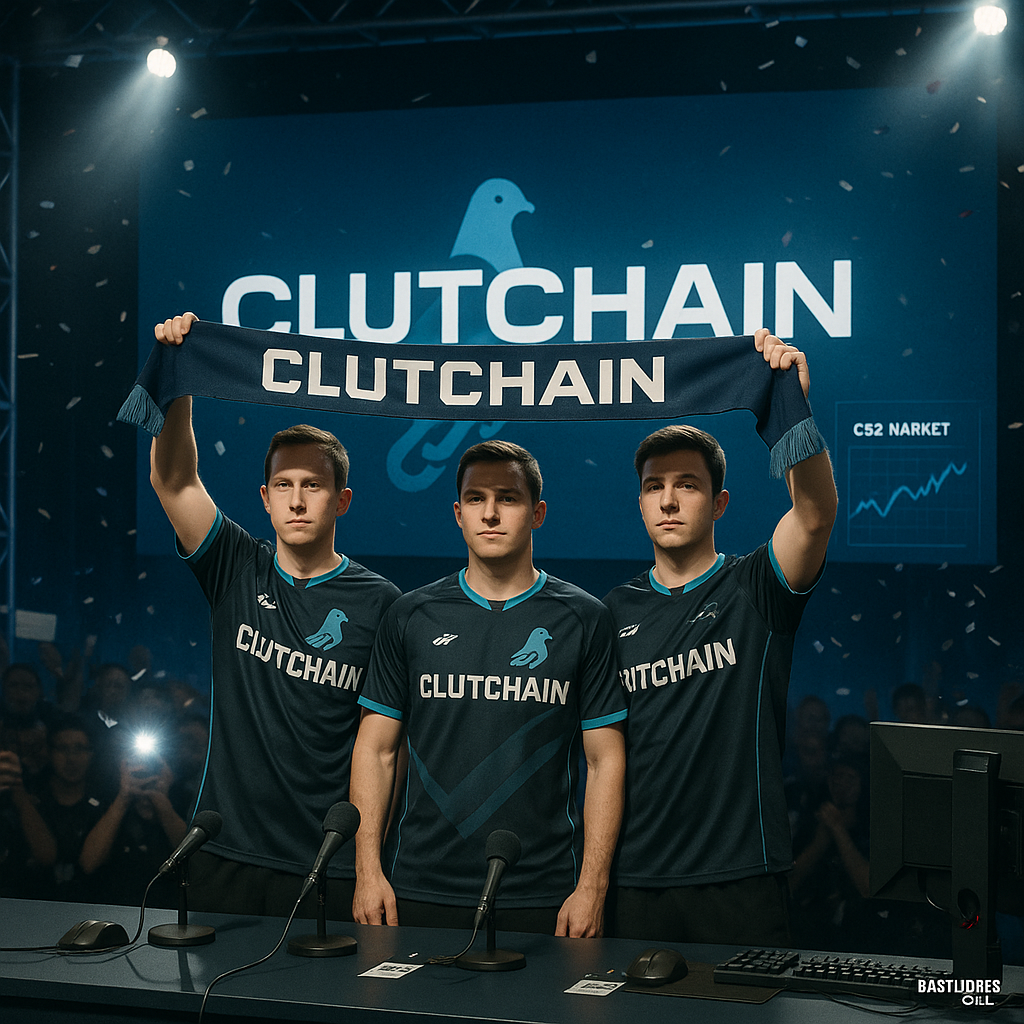
Overall, such transitions are part of the evolving landscape of competitive CS2, and understanding their typical contours helps the community navigate change without overinterpreting isolated developments.