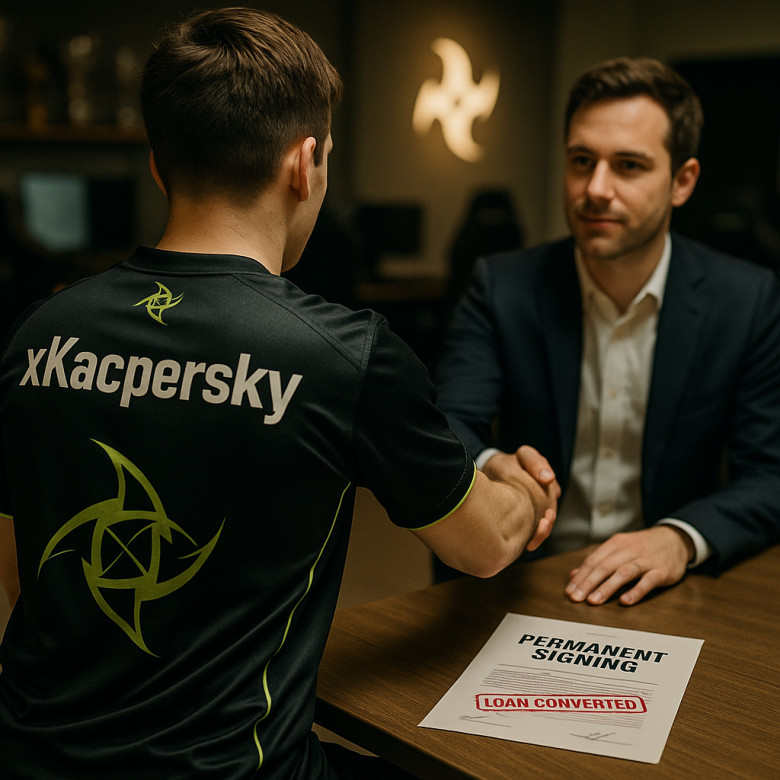
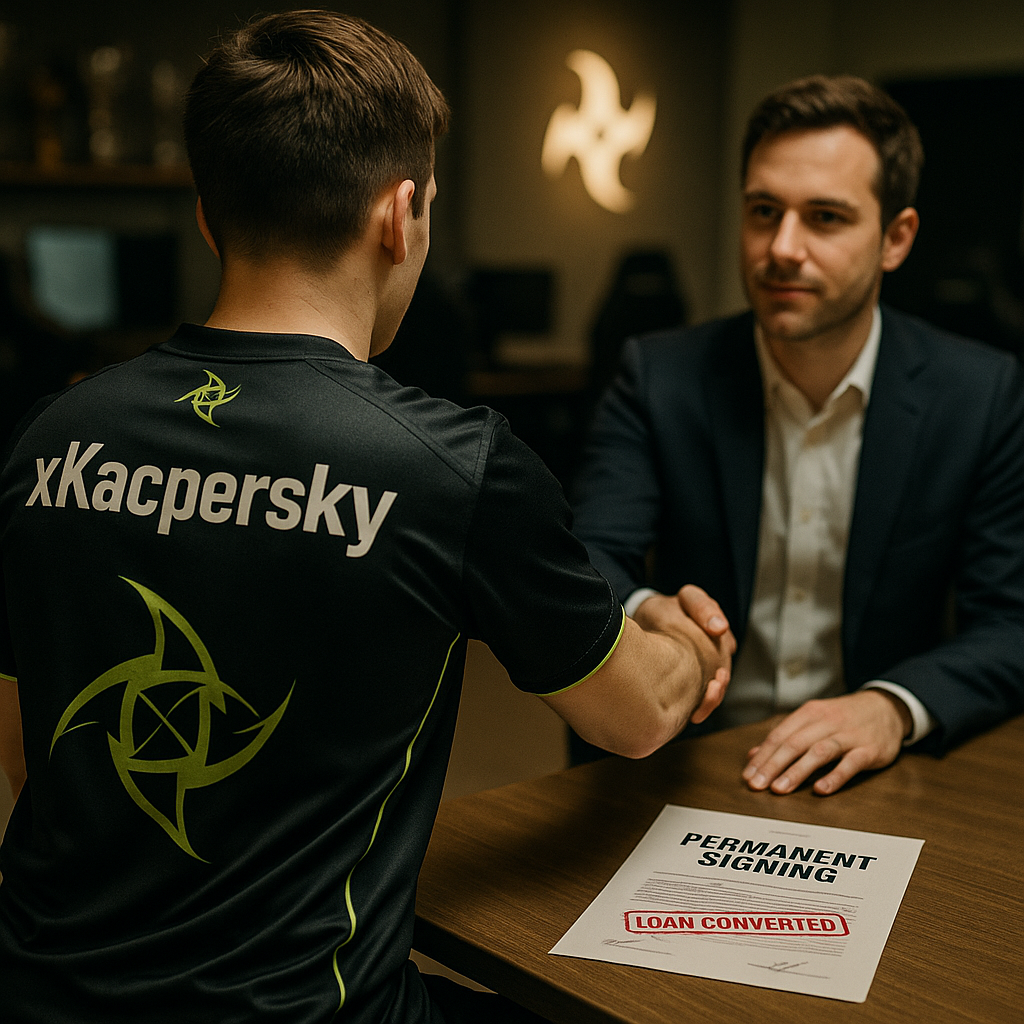
NIP transformou em definitivo o empréstimo de xKacpersky
When an esports organization converts a loan into a permanent signing, the change often signals a shift in priorities beyond the short term. For teams in the CS2 ecosystem, this kind of move influences roster planning, player development trajectories, and organizational messaging. This article explores the evergreen implications of such a decision in clear, practical terms.
The scenario discussed here is general and conceptual. It does not rely on time-sensitive facts or unverifiable claims. Instead, it outlines typical consequences and considerations that apply whenever a loaned player becomes a full-time member of a team.
Roster stability and competitive planning
Making a loan permanent usually increases roster stability, which can benefit in-game coordination and strategic consistency. A settled lineup has more opportunity to practice cohesive tactics, explore deeper strategic options, and refine in-game roles without the uncertainty of short-term contracts.
From a management perspective, committing to a player long term can simplify planning for upcoming seasons and events. Recruitment efforts, substitute strategies, and coaching focus can shift from frequent adjustments to iterative improvement. That shift may support a more systematic approach to team development.
At the same time, permanent signings require longer-term resource allocation. Coaching resources, analyst time, and practice schedules are adapted to reflect the permanent presence of the player. Organizations need to balance these investments with the flexibility to respond to future roster needs.
Player development and role clarity
For the player who transitions from loan to permanent member, the change often brings clearer expectations and a stronger platform for growth. A permanent contract can provide a stable environment where a player can focus on skill development, role mastery, and personal performance improvements without the distraction of uncertain tenure.
Clear role definitions tend to follow permanent decisions. Coaching staff and teammates can assign and refine specific responsibilities, which improves communication in high-pressure moments. Over time, that clarity can contribute to higher individual consistency and better team synergy.
Psychological comfort is another common effect. Knowing that an organization intends to keep a player can reduce off-game stress and enable a greater focus on preparation and recovery. That said, the organization should still maintain performance standards and a culture of continuous improvement to ensure long-term competitiveness.
Organizational strategy and market perception
Converting a loan into a permanent signing often reflects broader organizational strategy. It may indicate a desire to build around certain player strengths, to invest in a particular style of play, or to present a stable roster to partners and fans. Such moves can also be used to signal confidence in the club’s vision.
Market perception matters in multiple ways. Fans and stakeholders may view permanence as a sign of cohesion, while rival organizations interpret it as a commitment to a defined competitive direction. These perceptions can influence sponsor conversations, merchandising plans, and public relations approaches.
Financially and operationally, permanence alters contract management. Teams must consider wage structures, contract length, and potential buyout scenarios. These are strategic decisions that affect roster flexibility and long-term budgeting, and they require careful alignment with the organization’s broader goals.
Broader ecosystem effects
Within the CS2 market and competitive landscape, individual roster moves contribute to a larger pattern of stability or churn. When more organizations opt for permanence, the scene may trend toward longer-term development models and investment in youth or infrastructure. Conversely, frequent short-term loans may keep the market fluid and adaptive.
For third parties such as talent agencies, leagues, and content platforms, a shift toward permanent signings may change how talent pipelines are managed. Development programs, scouting efforts, and contractual frameworks may evolve in response to how organizations structure their rosters.
Conclusion
Turning a loan into a permanent signing is more than a contractual detail: it reshapes how a team operates, how a player develops, and how the organization positions itself in the market. The decision involves trade-offs between stability and flexibility, short-term needs and long-term planning. Understanding these general implications helps fans and professionals alike appreciate the strategic dimensions behind roster moves in the CS2 ecosystem.